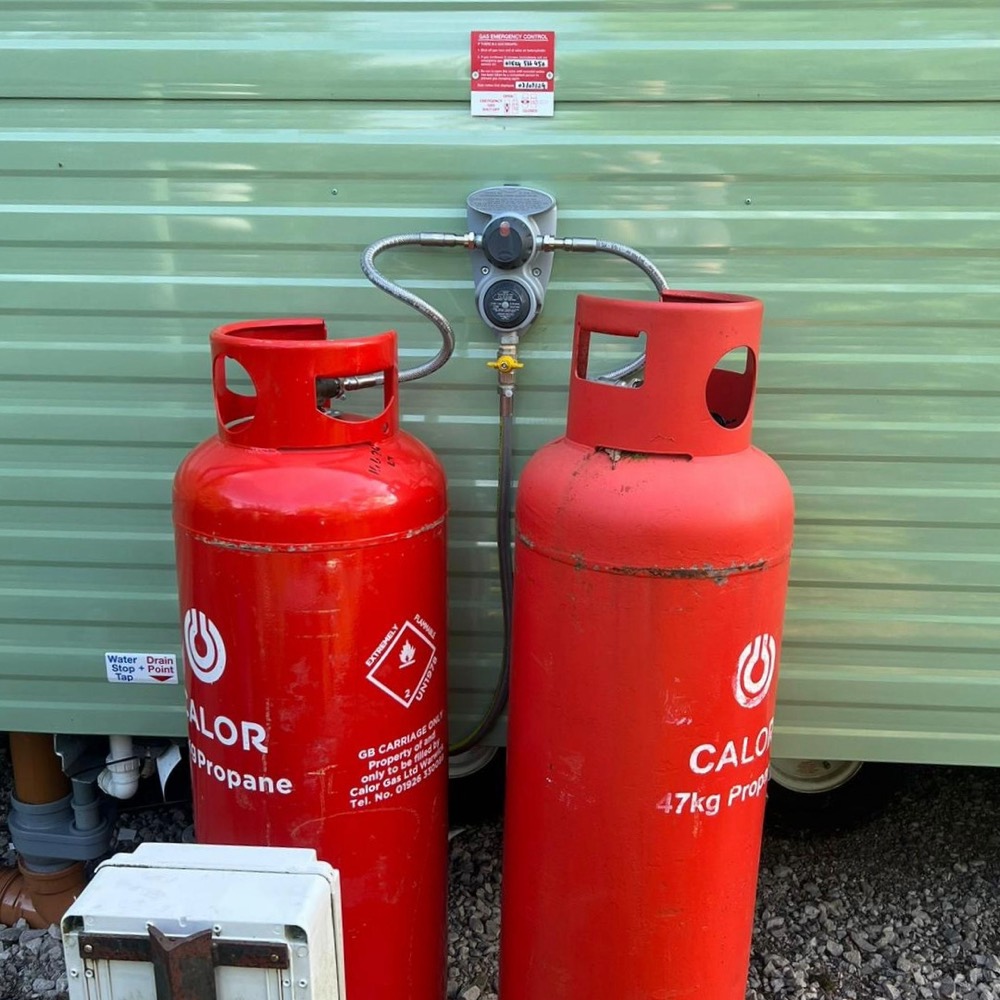
LPG (liquefied petroleum gas) fuels everything from caravan heaters and cookers to patio heaters and barbecues, especially where there’s no mains gas. It’s stored under pressure in canisters that can be damaged if they’re not handled carefully, so it’s worth knowing how to use it safely.
What is LPG?
LPG is a gas under normal conditions, but it’s stored as a liquid under pressure. That means a lot of fuel fits into a small, portable cylinder. Renewable alternatives are increasingly being produced too, for lower-emission use.
How to use LPG safely
- Know the smell. LPG has no natural odour, so a pungent smell is added to help you spot a leak.
- Ventilate. It’s highly flammable, and a leak can linger in poorly ventilated spaces.
- Keep it away from drains. LPG floats on water, so store cylinders well away from drains.
- Keep it cool. Pressure rises with temperature, so store cylinders somewhere cool, away from heat sources.
- Use the right hoses. LPG can perish natural rubber and some plastics. Only use certified hoses.
- Use the right appliances. LPG burns hotter than natural gas, so only use it in appliances designed for it.
When to stop using LPG equipment
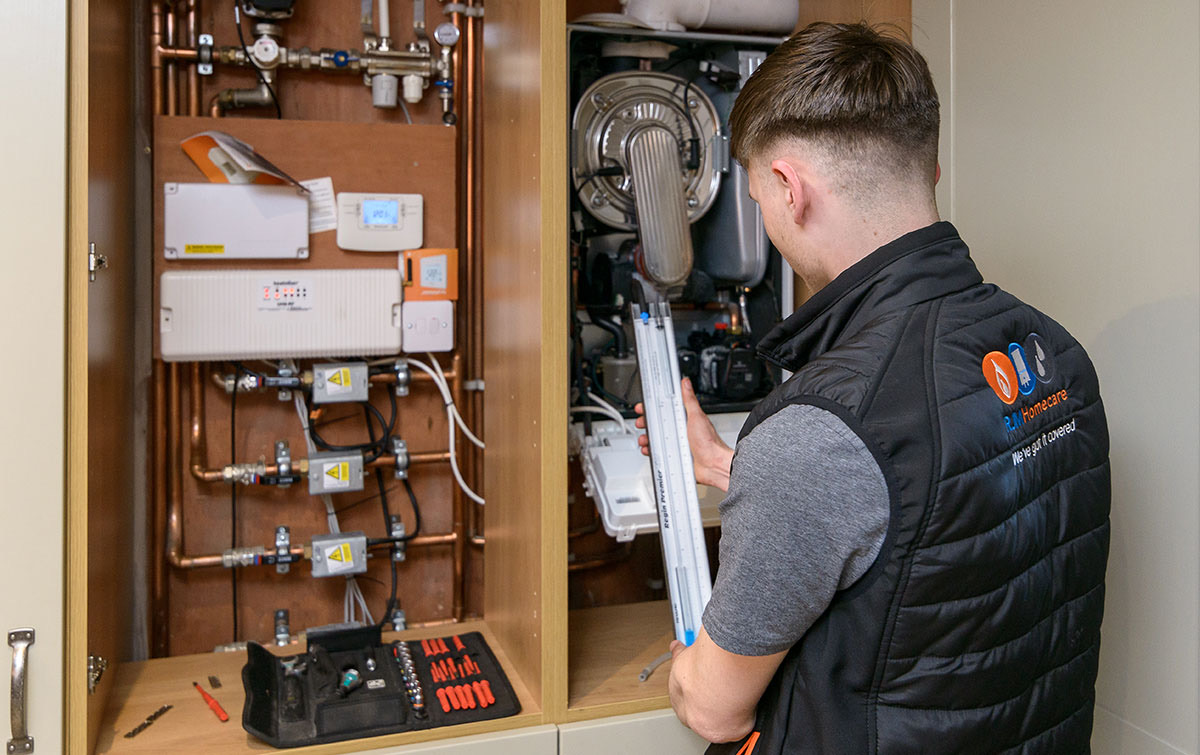
Don’t use cylinders, hoses, regulators or changeovers that are more than 10 years old, especially if they’re in poor condition. Don’t use anything showing signs of internal or external corrosion either. Our engineers will check regulators, changeovers and labels, and we recommend rodent-proof steel hosing for replacements.
In either case, don’t try to fix the appliance or touch the gas connections yourself. Call a Gas Safe registered engineer qualified in LPG.
LPG help across the North West
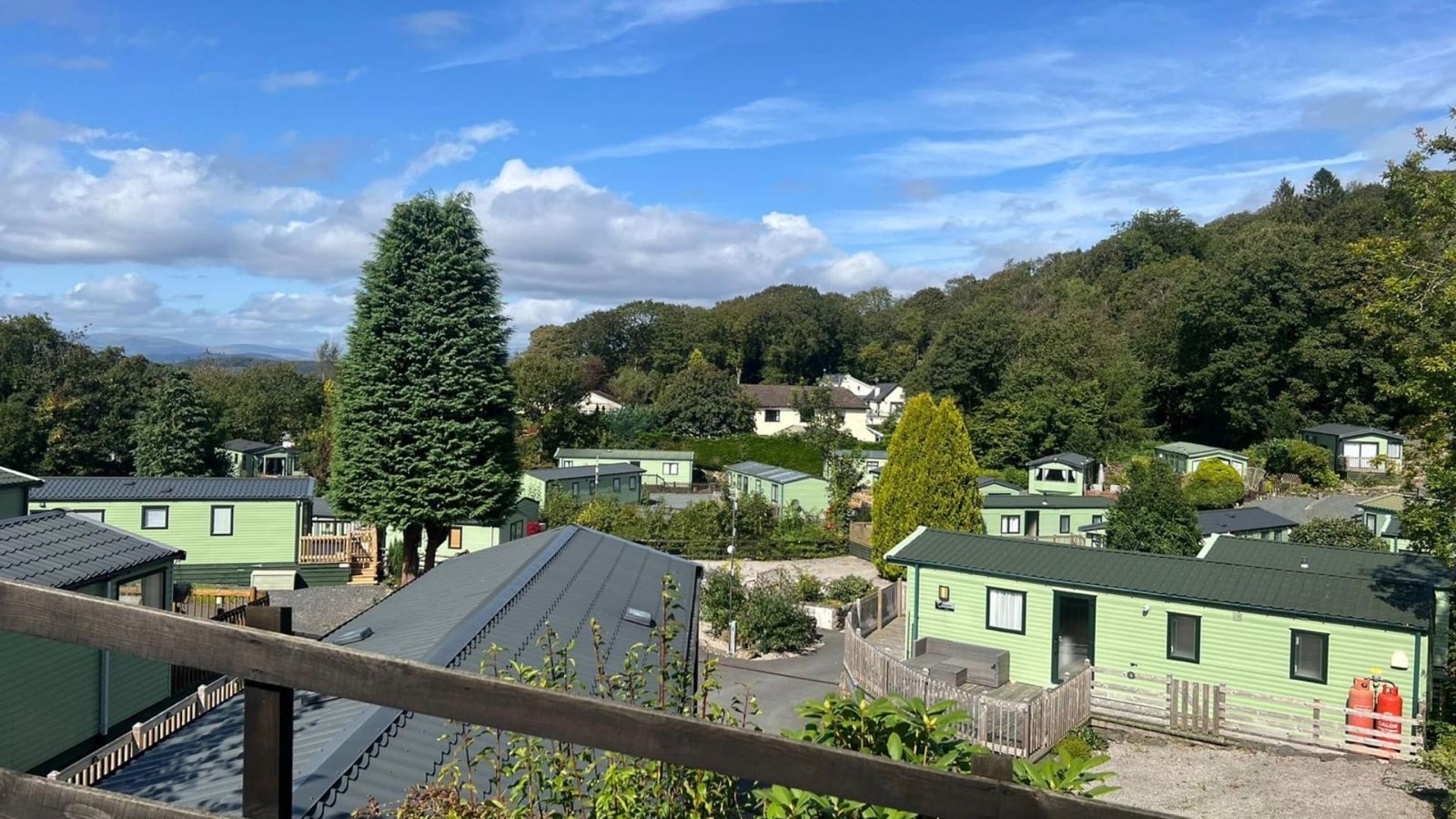
Whether you own a caravan or holiday home, or you’re just visiting the Lancaster and Morecambe area, keep our number handy. We also cover Bolton, Horwich, Chorley and Preston.
Worried about your LPG equipment?
Our Gas Safe engineers are qualified to work on LPG supplies, appliances and equipment across the North West.